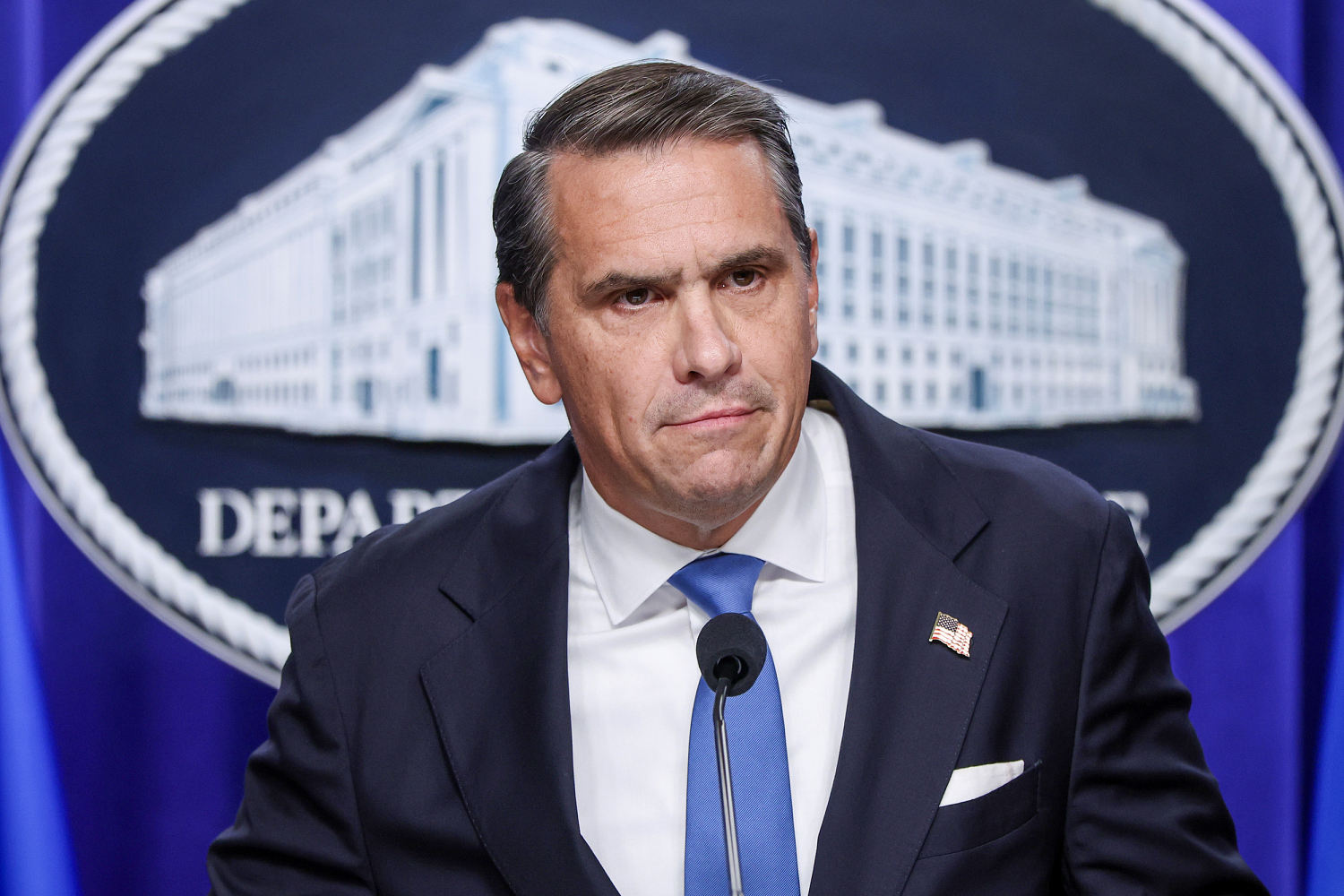
Attorney General Todd Blanche recently made headlines by refusing to rule out federal intervention in state vote certifications under a so-called "doomsday scenario." If you've been watching how federal power intersects with state-level election administration, this stance shouldn't come as a total shock. But it still marks a sharp departure from traditional norms governing prosecutorial independence and federal restraint.
When reporters pressed Blanche on whether the Justice Department might try to step in and halt a state from certifying its vote counts, his refusal to issue a flat denial immediately rang alarm bells among constitutional scholars and election lawyers. Let's break down what this actually means, why it matters right now, and how the current administration is shifting the boundaries of executive authority.
The Context Behind the Doomsday Talk
The modern Justice Department operates under a historically understood boundary: federal prosecutors and agency officials steer clear of disrupting state-administered elections unless there's an explicit, proven violation of federal civil rights laws. For decades, both Republican and Democratic administrations maintained this firewall to prevent the perception of partisan weaponization.
Todd Blanche's recent statements chip away at that firewall. By conceding that hypothetical "doomsday" conditions could force the DOJ's hand, he leaves the door wide open for executive intervention in local vote counting and certification processes.
Election experts point out a glaring problem with this approach. The federal government possesses virtually zero statutory authority to step into a state's internal canvassing and certification procedures. States run elections. Local county clerks, bipartisan boards of elections, and state secretaries of state handle the mechanics from casting to final certification. When federal agencies start signaling they might override those local processes, you're looking at a structural collision between Washington and local municipalities.
The Strategy of Pre-Election Litigation
Blanche's comments don't exist in a vacuum. They arrive right alongside aggressive legal maneuvers from the DOJ, including lawsuits targeting states over voter rolls. The administration has repeatedly spotlighted concerns over noncitizen voting—a phenomenon that nonpartisan studies consistently show is exceedingly rare.
Yet, the narrative persists. By filing lawsuits to segregate ballots or block specific votes right before an election, the DOJ creates a cloud of doubt over the entire process. It's a calculated playbook. You don't necessarily have to win every court case to achieve your political objective; you just have to shake public confidence in the outcome enough to justify subsequent interventions.
Democratic lawmakers and voting rights advocates have fired back demanding explicit written guarantees that the DOJ won't attempt to seize ballots or block election materials. But walk through any state election office right now and you'll find local officials already bracing for administrative chaos. They're trying to figure out how to balance statutory state deadlines with federal subpoenas and court challenges coming down from Washington.
What Happens When Norms Break Down
We are past the point where institutional traditions can protect themselves. When top law enforcement officials casually float the idea of stepping into state vote certification under extreme conditions, they normalize a level of administrative hardball that previous generations of leaders avoided entirely.
If a close race triggers a standoff between local election boards refusing to yield and federal lawyers attempting to freeze counts, the courts will become the final battleground. And that's where the real danger lies. When every routine step of an election becomes a federal lawsuit, the system bends under the weight of endless litigation.
Keep a close eye on how local election boards respond to pressure from federal filings. The real test of the system won't happen on cable news panels or in congressional hearing rooms; it will happen at the county level where local officials either hold the line or fold under pressure. Stay informed, look past the partisan talking points, and watch how local election administrators handle their statutory duties when Washington comes knocking.