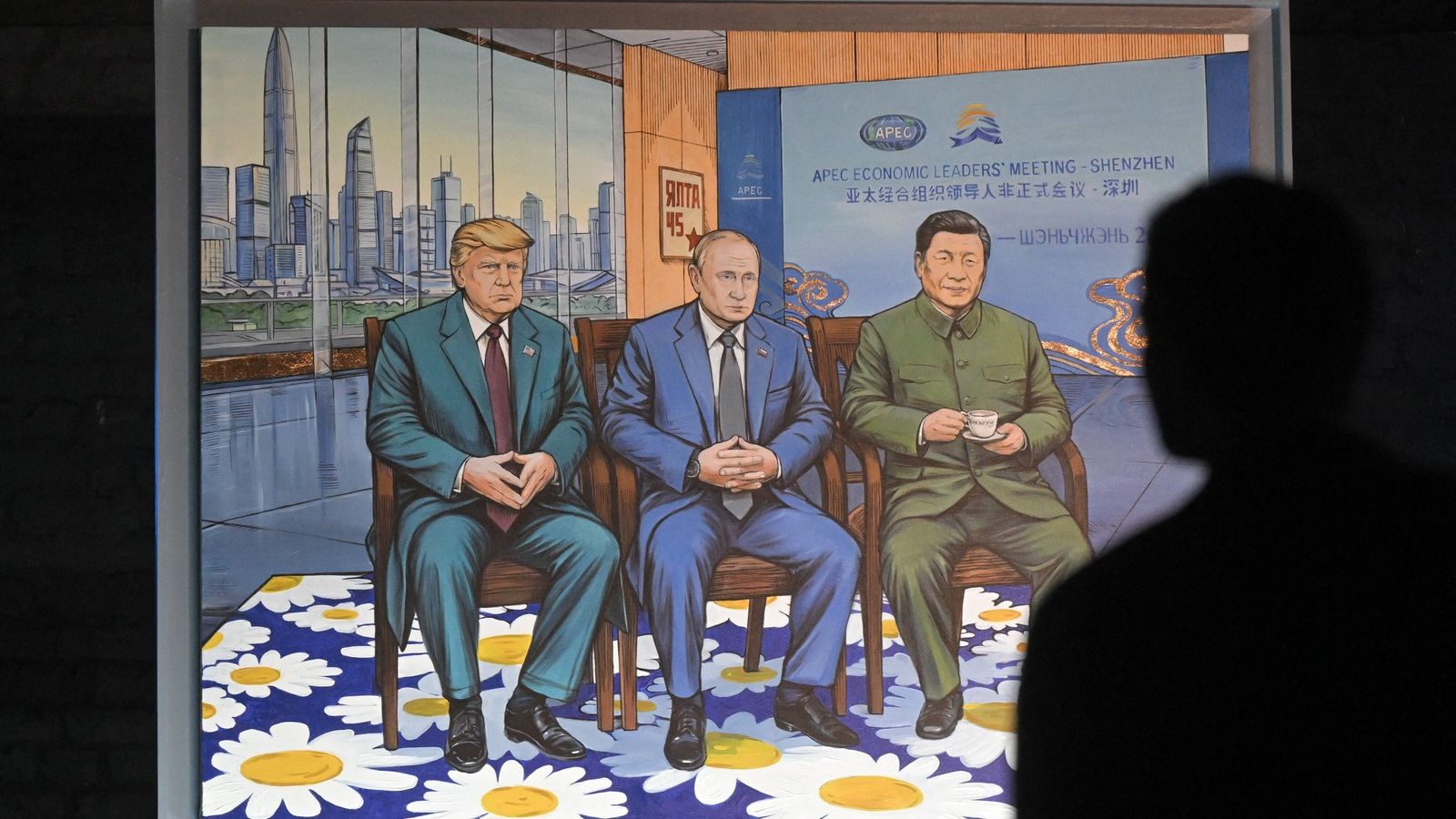
The diplomatic rulebook just got thrown out the window. Beijing announced that Xi Jinping, Donald Trump, and Vladimir Putin are sitting down for a high-stakes trilateral summit in Shenzhen. Forget neutral ground or polite multilateral forums. This is power politics in its purest, rawest form. Most analysts are missing the bigger picture here because they're too busy spinning old Cold War narratives. They don't see what's happening right in front of them.
The Real Reasons Shenzhen Was Chosen Over Beijing
Location matters in diplomacy. Choosing Shenzhen instead of Beijing isn't an accident. It's a calculated signal. Shenzhen represents China's economic engine, technological ambition, and industrial speed. It's where the future gets built, not where bureaucrats shuffle papers.
When you put Xi, Trump, and Putin in the same room in China's Silicon Valley, you are sending a direct message to Washington's traditional allies in Europe and Asia. Deals get made where money moves. Beijing wants everyone to understand that the center of gravity in global commerce has shifted eastward, permanently. You can ignore that reality, but it won't change the outcome.
What Trump Brings To The Table This Time
Donald Trump doesn't operate like a conventional statesman. He loves face-to-face deals, direct bargaining power, and dramatic surprises. Sitting across from Xi and Putin gives him what he wants most: a direct line to his primary global counterparts without bureaucratic interference from the State Department or international coalitions.
Critics call it dangerous. Supporters call it pragmatic. The truth is messier. Trump arrives in Shenzhen with a specific domestic mandate and a transactional worldview. He wants trade concessions, manufacturing commitments, and political wins he can broadcast to his base. Putin wants sanctions relief and recognition of Russia's strategic posture in Europe. Xi wants stability, market access, and undisputed leadership in Asian supply chains.
Can they actually strike a deal? Maybe. But even if they don't sign a formal treaty, the optics alone shatter the illusion of a unified Western front against Beijing and Moscow.
How Moscow And Beijing Plan To Shift Global Trade
Moscow and Beijing have spent years bulletproofing their economies against Western financial penalties. De-dollarization isn't just talk anymore. It's an active operational strategy. Energy flows, commodity pricing, and logistics corridors are changing fast.
Putin needs Chinese manufacturing and technological components to keep his economy humming under unprecedented pressure. Xi needs steady energy supplies that can't be choked off by Western naval blockades in the Malacca Strait. When you add Trump's unpredictable tariff threats into that mix, you get a strange three-way dance of mutual necessity and deep suspicion. They don't trust each other. They just need each other right now.
Why Traditional Western Diplomacy Is Struggling To Keep Up
Old-school diplomats love committees, joint communiqués, and multi-year negotiations. That system is broken. It's too slow for a world moving at digital speed.
While European capitals issue stern press releases, these three leaders are cutting through the noise. They meet in person, look each other in the eye, and negotiate power directly. Western leaders keep trying to apply twentieth-century rules to twenty-first-century realities. That approach is failing. You can't lecture nations that control critical supply chains, vast commodity reserves, and massive nuclear arsenals.
What Comes Next For Global Markets And Security
Markets hate uncertainty, but they love clarity even more. Once the Shenzhen summit concludes, corporate boards and institutional investors will have to re-evaluate their risk models overnight. Supply chains routed through traditional Western hubs will face renewed scrutiny. Currency hedging strategies will need complete overhauls.
Pay attention to the specific trade agreements and energy corridors announced coming out of Shenzhen. Don't listen to the sanitized press briefings. Watch where the money goes. Prepare your operations for a fractured, multipolar economic reality because the old global order isn't coming back.