Israel's election cycle rarely lacks friction, but the final-hour confrontation between Benjamin Netanyahu and Gadi Eisenkot has pushed the political machinery into completely uncharted territory. When national defense, regional deterrence, and the architecture of the state collide on the eve of a parliamentary vote, the rhetoric stops sounding like typical campaign theatre and starts sounding like a referendum on survival.
You aren't just looking at another routine political feud. You are watching two distinct philosophies of Israeli security and governance battle for absolute control during one of the most volatile security crises the nation has ever faced.
Let's break down what's actually driving this clash, why the arguments hit so differently right now, and what's at stake for voters standing at the ballot box.
The Two Divergent Visions of National Security
At the core of the friction between Netanyahu and Eisenkot lies a fundamental disagreement over how Israel manages its threats, handles its military alliances, and internalizes the fallout of October 7.
Netanyahu leans heavily into his decades-long brand as the indispensable security anchor. His pitch to the electorate is blunt. He argues that only his experienced hand can finish the ongoing regional campaigns against Iran and its proxies, warning that any shift in leadership will weaken the country's posture. He points to his confrontational foreign policy stance and warns that opponents would cave to international pressure or compromise on essential defense doctrines.
Eisenkot, the former military chief of staff and wartime cabinet member, counters with a starkly different diagnosis. He argues that Netanyahu's prolonged governance has fractured national unity, strained vital alliances, and mismanaged critical intelligence frameworks. Eisenkot's platform focuses heavily on accountability, demanding structural reforms in military service exemptions, cleaning up political friction, and restoring institutional trust that took severe hits over the last three years.
When Netanyahu tells voters he has completed ninety percent of the job and only he can handle the remaining ten percent, Eisenkot fires back by accusing the prime minister of putting personal political survival ahead of state security.
The Battle Over Military Service and Social Fabric
Security in Israel doesn't just happen at external borders. It starts inside the domestic economy and the military draft offices. This is where Eisenkot's party has managed to corner Likud on ground that usually favors the opposition.
Eisenkot's campaign has relentlessly attacked the existing coalition dynamics, pointing out the glaring inequities in military service. While reservists and their families bear an unprecedented burden on multiple fronts, the political status quo has permitted sweeping service exemptions for ultra-Orthodox populations. Eisenkot's proposals center on shared civic responsibility, universal core education requirements, and rebuilding a depleted reserve corps by expanding the recruitment base.
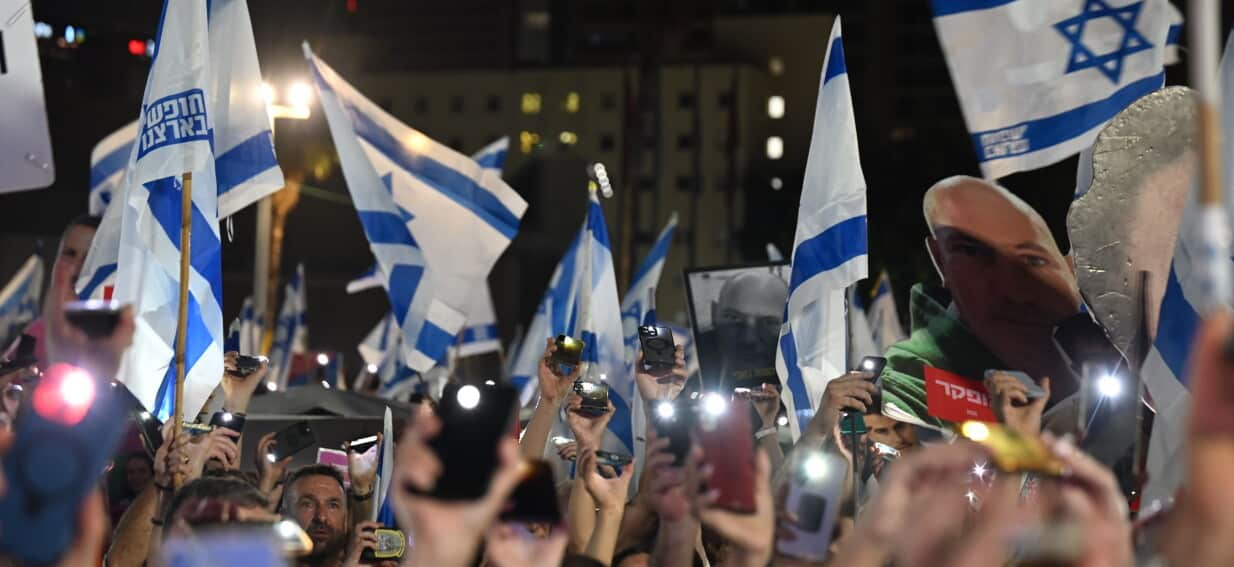
Netanyahu’s camp dismisses these attacks as opportunistic, framing the opposition as a weak alternative that would buckle under coalition pressures from non-Zionist factions. Yet, the pressure on Likud's traditional working-class base has been real, prompting fierce digital battles and high-stakes rally speeches across Tel Aviv and beyond.
Election Integrity and Accusations of Sabotage
The tension spilled out into the open days before the vote when administrative clashes erupted over election oversight. Eisenkot publicly accused Netanyahu of trying to undermine the electoral process itself, filing urgent petitions to block meetings between the prime minister and police leadership regarding election security.
When political figures start accusing each other of tampering with the mechanisms of democracy, you know the margins are razor-thin. Polls consistently show a fiercely competitive race where every single mandate counts toward forming a stable governing coalition.
Eisenkot has made direct appeals to moderate Likud voters, urging them to look past party loyalty and confront the reality of the current political stagnation. "Deep down, you know Israel cannot go on like this," he told crowds at his final Tel Aviv rally, trying to crack the bedrock loyalty that has kept Netanyahu in power for decades.
What Happens Next
The outcome of this vote will redefine Israeli defense priorities, domestic policy, and foreign relations for years. If Netanyahu's security messaging holds the right-wing bloc together, the country stays on its current hardline trajectory. If Eisenkot's message of institutional repair and national unity mobilizes enough disaffected voters, Israeli politics faces its most profound reset in a generation.
The ballots are cast, the rhetoric has reached its boiling point, and the consequences belong entirely to the electorate.