The timing couldn't be more awkward. The Federal Reserve is delivering its latest interest rate decision right as voters head into a brutal midterm election cycle, and the collision of monetary policy and partisan politics is impossible to ignore. Markets are pricing in roughly a 90 percent chance that the central bank holds the federal funds rate steady in the 3.75% to 4.00% range. But a pause doesn't mean policymakers are backing down from inflation. Instead, it signals a tense waiting game.
Inflation data has refused to cooperate. September reports came in hotter than anticipated, driven heavily by stubborn energy costs and broader cost-of-living pressures that dominate voter anxieties at the ballot box. Central bank officials face a brutal dilemma. Raise rates further to crush persistent price spikes, and risk sparking accusations of political interference right before an election. Pause too long, and critics argue the Fed loses its credibility as an inflation fighter.
The Political Crossfire
Central banks are technically independent institutions designed to operate without partisan influence, but reality rarely matches textbook theory. President Trump has relentlessly criticized the central bank for keeping borrowing costs restrictive, publicly demanding aggressive rate cuts. When voters feel the pinch at the grocery store and the gas pump, politicians look for someone to blame.
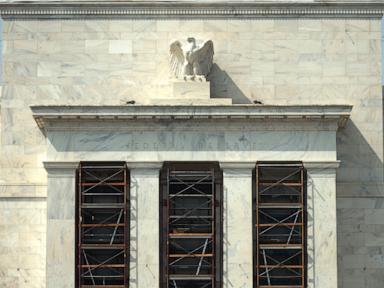
Analysts at institutions like Deutsche Bank have noted that while the Fed insists elections don't dictate monetary policy, avoiding the headline-generating chaos of a surprise hike right before a major vote is a natural byproduct of institutional self-preservation. Nobody wants to be accused of swinging an election from a boardroom at Eccles Building.
What a Hold Means for Your Money
If you're wondering how this affects your personal finances, a pause offers temporary relief but no long-term fix. Mortgage rates, auto loans, and credit card APRs remain stubbornly elevated. Borrowers shouldn't expect cheap money to make a comeback anytime soon.
At the same time, futures markets are already pricing in an 80 percent probability of a quarter-point rate hike in December. This upcoming decision isn't a pivot; it's a breather.
Looking Past the Election Noise
Focusing purely on the political theatre misses the core economic reality. The Fed is navigating a complex slowdown where traditional tools struggle against supply-driven price pressures. Monetary policy can't drill for more oil or fix global supply chain snarls. It can only slam the brakes on consumer demand and hope the economy doesn't skid off the road.
Keep your eyes on the post-decision press conference for hints about December. If policymakers lean hawkish, expect borrowing costs to stay painful well into next year regardless of who wins the midterms.