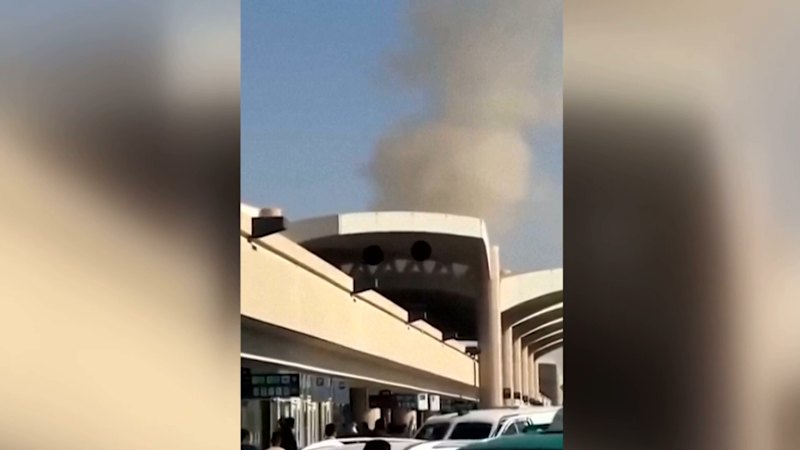
Thirteen people are now confirmed dead following a devastating strike on Riyadh airport. This wasn't just another routine interception or minor border skirmish. It's a sharp escalation that shatters any illusions of stable regional calm in the Middle East.
If you've been following the ongoing conflict involving Houthi forces and Saudi infrastructure, you know that civilian hubs have increasingly become targets. But pushing the death toll to 13 marks a dangerous new threshold.
The Anatomy of the Strike
Airports are heavily fortified zones equipped with advanced defense systems. When a strike penetrates these layers and causes mass casualties, questions immediately arise about radar blind spots, interception rates, and projectile trajectories.
Security analysts point out that drone and missile technology keeps evolving. Interceptors miss sometimes. When they fail near densely packed terminals, the human cost is immediate and catastrophic.
Saudi officials confirmed the revised numbers early Monday morning. Emergency responders spent hours clearing debris, treating the wounded, and securing the tarmac. Flight operations faced severe disruptions, leaving thousands of passengers stranded and sending shockwaves through international aviation schedules.
Why This Escalation Matters Right Now
You might wonder why this specific incident hits differently than previous attacks. Context is everything. Regional diplomacy has been walking a tightrope for months. Just as backchannel talks show signs of fragile progress, high-profile violence shatters the momentum.
It forces a recalculation in foreign ministries from Washington to Riyadh.
- Air Defense Strain: Constant barrage tactics test the limits of modern anti-missile batteries.
- Economic Anxiety: Infrastructure hits directly threaten tourism, foreign investment, and transit hub status.
- Retaliation Risks: Higher casualties draw immense political pressure for a heavy military response.
What Happens Next
Governments don't absorb thirteen deaths at a major international gateway without reacting. Expect immediate diplomatic fallout. Security protocols at airports across the Arabian Peninsula are already tightening to maximum alert.
The real danger lies in the cycle of action and reaction. Every high-casualty strike narrows the path for peace talks and hardens military stances. You're looking at a tense week ahead as intelligence agencies piece together the exact weapon systems used and regional capitals weigh their next moves.