Tragedy struck Spain's high-speed rail network once again on October 28, 2026, when two high-speed trains collided near Los Yébenes in the province of Toledo, roughly 150 kilometers south of Madrid. Initial reports confirmed at least 30 people dead, with emergency services warning that the toll could climb significantly as rescue crews comb through the wreckage of the two severely damaged passenger carriages.
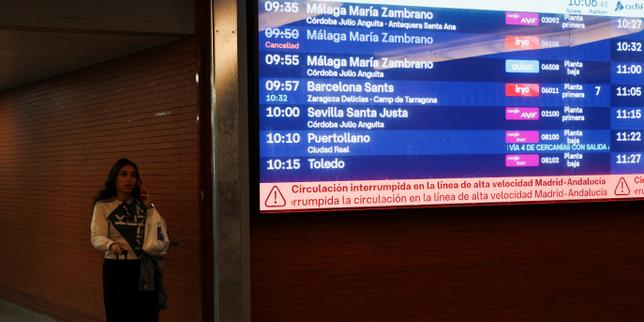
The crash involved an Iryo service carrying about 146 passengers and a Renfe AVE train carrying nearly 400 travelers, both operating along the vital corridor connecting Madrid to Andalusia. ADIF, the state railway infrastructure manager, immediately suspended all high-speed traffic on the line, plunging the nation's transportation system into chaos. Prime Minister Pedro Sánchez expressed deep shock on social media, while transport minister Óscar Puente rushed to the emergency control center to oversee rescue operations.
This disaster isn't just an isolated tragedy. It's the third major rail catastrophe to hit Spain in 2026 alone, following a deadly collision near Adamuz in Córdoba back in January that claimed over 40 lives, and a commuter train derailment near Barcelona shortly after. For a country boasting the largest high-speed rail network in Europe and the second largest globally, these repeated failures raise terrifying questions about infrastructure safety, signaling systems, and operational oversight.
The Human Toll and Immediate Response
Emergency services deployed multiple fire brigades, mobile intensive care units, and helicopters to the remote stretch of track in Toledo province. Witnesses and local authorities described scenes of absolute panic as passengers scrambled to escape derailed cars. Hospitals across the region went on high alert to receive dozens of injured travelers, many requiring urgent trauma care.
The scale of the devastation has left the country reeling. Coming on the heels of the Adamuz crash earlier this year, public trust in Spain's premier rail arteries has shattered. Commuters and tourists who once viewed high-speed rail as the safest, most reliable mode of cross-country travel are now confronting a grim reality. Safety margins on high-speed lines leave zero room for error, and system failures carry catastrophic consequences.
Systemic Vulnerabilities Under Fire
Experts and opposition politicians are already demanding answers regarding how two high-speed trains ended up on a collision course or why a stationary train wasn't properly protected by automated signaling safeguards. While investigators look closely at potential human error, technical malfunctions, or communication breakdowns between operators like Renfe and private competitor Iryo, the bigger picture points to systemic strain.
Managing Europe's most extensive high-speed network requires flawless maintenance schedules and cutting-edge traffic management systems. When multiple fatal accidents plague a single rail network within a ten-month span, systemic fatigue becomes impossible to ignore. Rail operators face immense pressure to maintain high-frequency schedules, but speed must never come at the expense of basic survival.
The investigation into the Toledo collision will take weeks, but the political and social fallout starts right now. Spain's government faces intense scrutiny over whether enough was done to upgrade aging infrastructure and enforce rigorous safety protocols after January's tragedy.
Travelers across Europe are watching closely. The golden standard of modern rail transit is facing its darkest year. Real accountability means radical transparency, massive infrastructure overhauls, and zero tolerance for complacency.