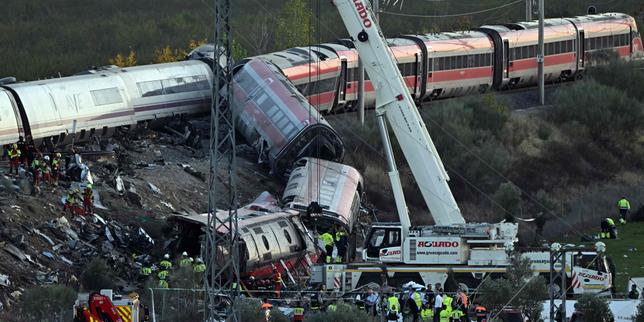
Spain's high-speed rail network is facing intense scrutiny following a catastrophic collision on October 28, 2026. Two high-speed trains crashed in the province of Toledo, leaving at least 68 people dead and dozens injured. This disaster strikes just months after another fatal rail accident rattled the country in January, destroying public trust in a system long considered a source of national pride.
If you've been following transit news, you know Spain built one of the most advanced rail networks in Europe. But recent events expose terrifying vulnerabilities in how these networks are managed when automated systems fail.
What Actually Happened in Toledo
The crash occurred at 08:54 local time on the Madrid-Seville high-speed rail line, near Los Yébenes in Toledo. An Iryo electric multiple unit had departed Madrid Atocha station at 07:54 with 147 people on board. Just six minutes later, a Renfe AVE train carrying 397 passengers left the same station heading down the same path.
The Iryo train had become stationary on the tracks around kilometer marker 118. Due to an automated signaling system failure, the line was operating under manual control. Operators at the infrastructure manager ADIF authorized the trailing AVE train to proceed, failing to account for the stationary train ahead.
The AVE slammed into the back of the Iryo unit at high speed. The impact was violent. Two carriages derailed and plummeted down an embankment. A steel rail from the track tore straight through a carriage, protruding visibly from the wreckage.
The Human Cost and Immediate Aftermath
Survivors describe total chaos. Passengers felt the train slam on emergency brakes before an earth-shattering impact tossed luggage, phones, and people through the air. First responders rushed to the scene in Urda and Los Yébenes, converting local sports halls into triage centers while helicopters airlifted the critically wounded.
At least 68 people lost their lives, and over 100 sustained injuries, with dozens hospitalized in serious condition. Prime Minister Pedro Sánchez declared three days of national mourning, stating that all of Spain was grieving. The tragedy forced the cancellation of sports events, including all 24 Copa del Rey matches scheduled for that day.
Transport Minister Óscar Puente called the authorization of the AVE train "inexplicable" after inspecting the ADIF control center in Atocha. Preliminary reports place the blame squarely on human error during manual signaling operations—a dangerous fallback when digital systems drop offline.
Why This Keeps Happening
This isn't an isolated incident. Back in January 2026, a deadly derailment and collision in Adamuz, Andalusia, killed 46 people. That disaster also involved a breakdown in track integrity and communication.
When you have thousands of passengers hurtling across the country at 300 kilometers per hour, margins for error disappear. Automated safety systems exist for a reason. When they fail, relying on manual overrides without strict verification protocols turns iron tracks into a trap.
Investigators from the Independent Authority for the Technical Investigation of Accidents and Incidents are sifting through the wreckage. They need to answer why control centers gave the green light to a train speeding toward a stationary obstacle.
Public confidence is shattered. Rail operators face massive pressure to overhaul manual backup procedures and audit every signaling corridor across the country immediately.
Check your travel plans if you're heading through central or southern Spain. High-speed services between Madrid and Andalusia remain suspended while emergency crews clear the tracks and investigators comb through the metal.