Foreign policy overreach rarely ends well. When nations take on security commitments far beyond their economic capacity or military bandwidth, they inevitably find themselves trapped in complex regional webs they cannot control. Islamabad has long mastered the art of diplomatic tightrope walking, but recent security pacts and regional escalations suggest a dangerous shift toward biting off far more than it can chew.
The core issue isn't just about diplomatic ambition. It is about a severe mismatch between domestic stability and external entanglements. When a country grapples with internal economic distress, polarized politics, and fragile security boundaries, committing troops or open-ended strategic support to volatile West Asian flashpoints is a high-risk gamble.
The Trap of Overlapping Security Pacts
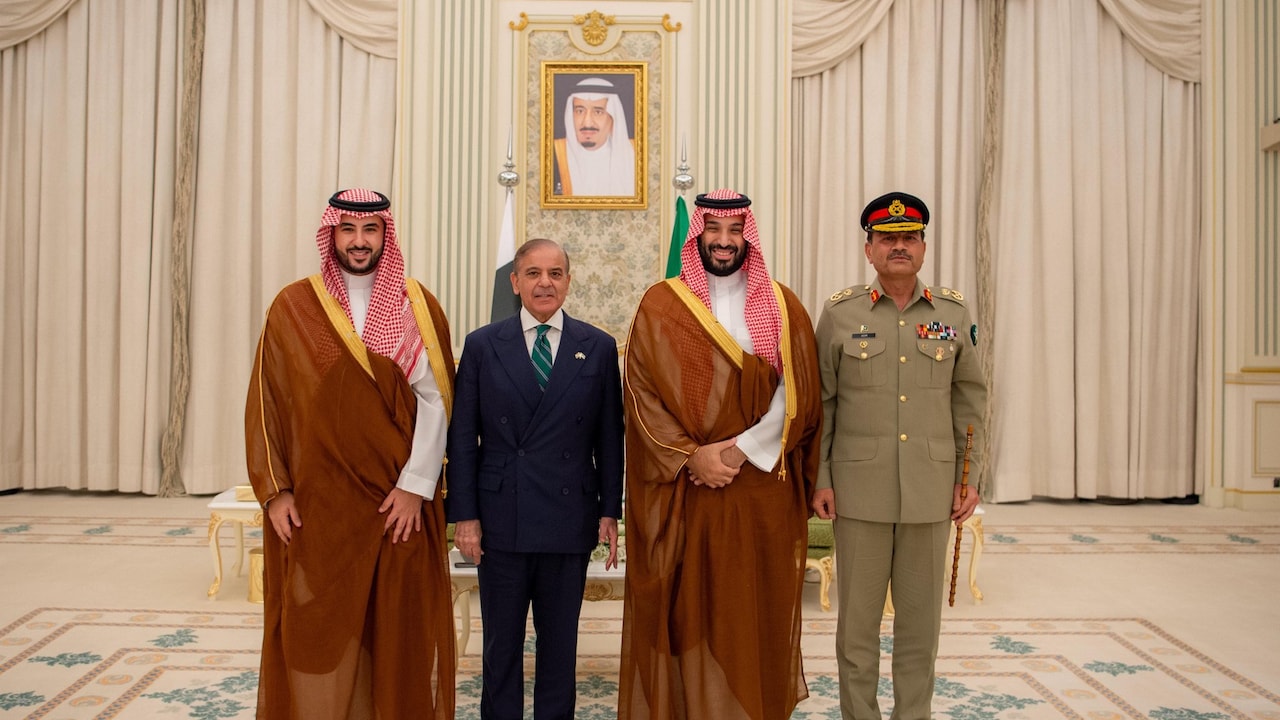
Consider the recent defense frameworks linking Pakistan, Saudi Arabia, and Turkey. On paper, these trilateral arrangements look like a grand resurgence of regional alliances. In reality, they drag Islamabad directly into theaters of conflict where it has very little leverage.
When infrastructure attacks hit Saudi soil, the immediate diplomatic and military pressure lands squarely on allied states to respond or show solidarity. Riyadh maintains massive economic ties with India, while simultaneously relying on traditional defense cooperation with Pakistan. Islamabad's attempt to bridge these divergent realities creates friction. You cannot easily play mediator while tying your own defense policy to mutual defense pacts that lack clear operational doctrines. To get more details on the matter, detailed analysis can be read on TIME.
History shows that external security guarantees often become liabilities rather than shields. When states enter into rigid military agreements without matching economic power, they lose strategic autonomy.
Economic Realities Versus Military Ambitions
Foreign policy depends entirely on domestic strength. You cannot project power abroad when your foreign exchange reserves hang by a thread and domestic energy subsidies require constant emergency bailouts.
Islamabad's leadership continually miscalculates the cost of maintaining expansive regional footprints. Defense diplomacy requires funding, hardware, and logistical resilience. Diverting state resources toward distant geopolitical posturing while domestic inflation squeezes everyday citizens is a recipe for internal fracture.
Strategic thinkers often ignore the opportunity cost of these overextended moves. Every dollar spent maintaining costly foreign posturing is a dollar stripped from domestic infrastructure, education, and modernization.
What Comes Next for Islamabad
The path forward requires a brutal dose of realism. Islamabad must scale back its ambitions of playing a decisive security role across multiple distant conflict zones. True strength starts at home, through economic reform and internal cohesion, rather than signature defense pacts signed in foreign capitals.
Stop pretending that symbolic defense agreements substitute for economic might. Until leaders align foreign policy with actual national capacity, the cycle of overreach and subsequent crisis will only repeat itself.