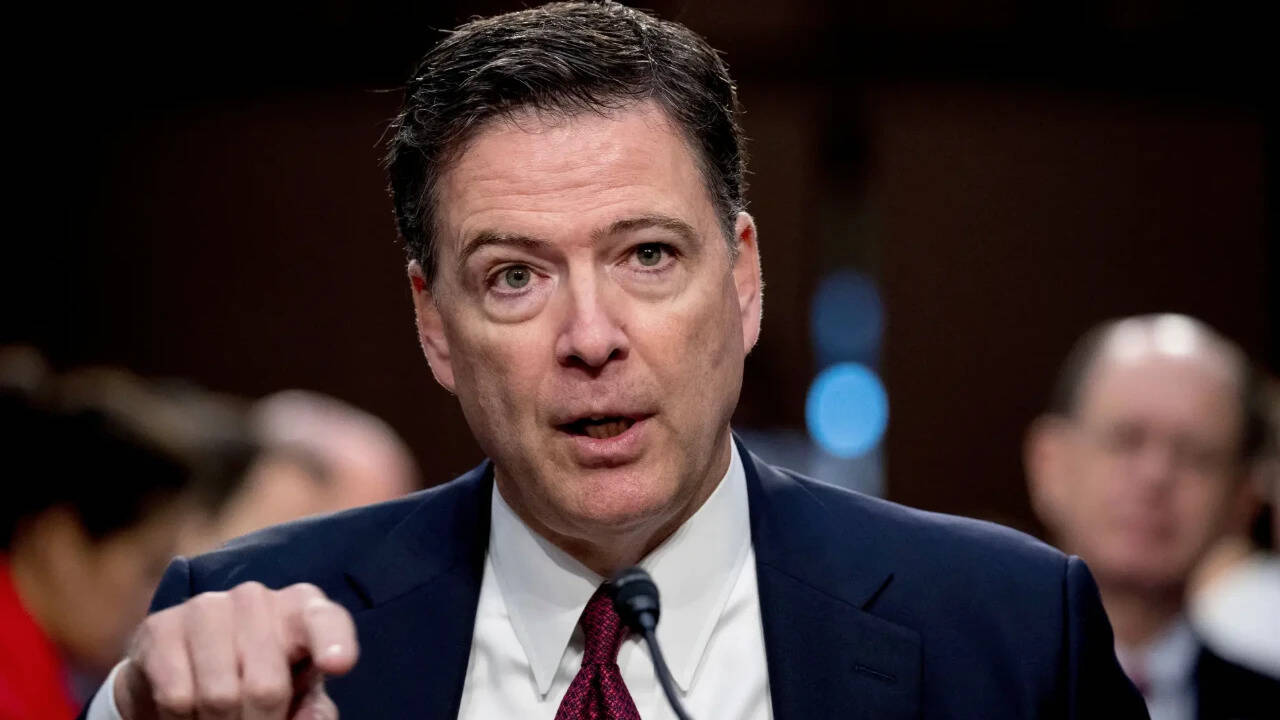
Legal battles involving high-profile political figures rarely stay quiet, but the latest indictment wave hitting Washington has crossed into uncharted territory. Former Federal Bureau of Investigation Director James Comey is now facing his third federal case, breathing new life into a years-long feud that defines modern American political friction.
If you thought the fallout from the 2016 election investigations was old news, think again. The Department of Justice has unsealed court filings detailing fresh accusations, and the stakes for institutional trust are higher than ever.
Breaking Down the Third Federal Case
Federal prosecutors have charged James Comey with transmitting national defence information and conspiring to do so. The charges stem from events tied to media reporting back in October 2016, specifically concerning a New York Times piece detailing email surveillance methods.
Special assistant US attorney Dustin Farahnak pointed to internal communications suggesting Comey directed staff to connect with reporters to correct perceived inaccuracies in a competing Reuters report. Investigators argue that this direction crossed the line into illegal transfer of classified material.
Comey’s defense team pushed back hard, filing a motion to dismiss before the indictment went public. Yet the legal machinery keeps moving, placing a former bureau chief squarely in the defendant's seat once again.
Why This Fight Persists After All These Years
The animosity between Donald Trump and James Comey isn't a secret. It stretches back to the explosive days of the bureau's probe into Russian interference in the 2016 presidential election. When Trump fired Comey in May 2017, it triggered a chain reaction that led straight to the appointment of Special Counsel Robert Mueller.
Now, years later, the recurring legal scrutiny against Comey highlights a deep structural war over accountability and weaponized prosecution. Critics see the piling federal cases as an ongoing political vendetta. Supporters of the current administration argue that nobody sits above the law, regardless of past title or institutional rank.
The Defense Strikes Back
Comey didn't waste time hiding from the spotlight. In a video published on Substack, he addressed the new allegations with characteristic defiance.
"Well, they're back again. It would almost be funny if it weren't such an appalling abuse of the Department of Justice," Comey stated. He doubled down on his innocence, asserting that he remains unafraid and confident in the independent federal judiciary.
His defense strategy relies heavily on attacking the legitimacy of the prosecution itself, framing the charges as politically motivated overreach designed to punish an institutional rival.
What This Means for the Justice Department
Every time a former top law enforcement official faces indictment, public faith in the justice system takes a hit. Half the country views these proceedings as necessary accountability for high-level leaks, while the other half watches in alarm as federal agencies get dragged into partisan warfare.
The path forward depends entirely on how federal judges handle the dismissal motions and whether the evidence holds up under courtroom scrutiny. As discovery unfolds, expect explosive document releases and fierce arguments over what constitutes authorized communication versus unlawful disclosure.
Keep a close eye on court docket updates as the defense mounts its challenge, because this legal showdown is far from finished.


