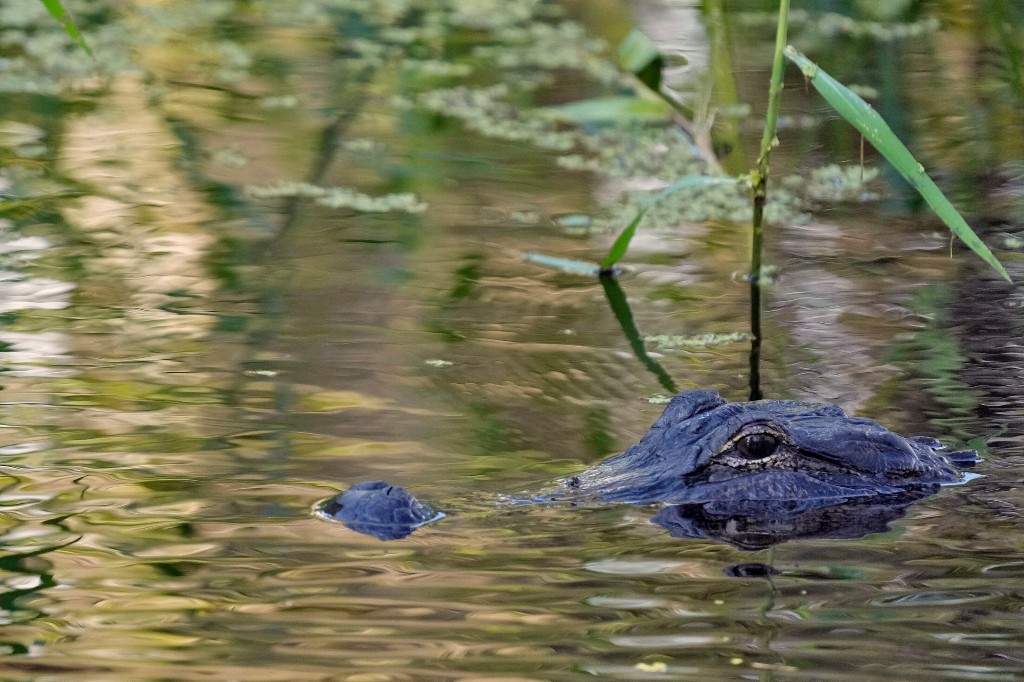
Living near water in Florida means sharing your backyard with apex predators. Most residents treat alligators like lawn ornaments until reality strikes.
A 71-year-old man named Steven Hamilton discovered this the hard way while fishing on the shore of Lake Apopka at Dr. Bradford Memorial Park near Orlando. A nearly 12-foot alligator attacked and killed him around 5 p.m. on a Friday. Winter Garden police and Florida Fish and Wildlife Conservation Commission trappers responded, dispatching the massive animal.
It is a tragedy that repeats itself with terrifying regularity. But why do these attacks happen, and what can you actually do to stay safe? Let's break down the realities of coexisting with Florida's massive reptile population.
The Reality of Lake Apopka and Local Waterways
Lake Apopka is not a sterile swimming pool. It is a massive, thriving ecosystem packed with wildlife. When authorities arrived after Hamilton's death, they pointed out an uncomfortable truth: alligators are everywhere in these waters. To see the complete picture, check out the excellent analysis by Associated Press.
People see a calm shoreline and assume it is safe. That is a dangerous mistake. Alligators are ambush predators. They do not need to look aggressive to be lethal. They sit motionless in shallow water or on muddy banks, blending seamlessly into the background until it's too late.
If you are standing near the water's edge at dusk or dawn—the peak hunting times for these reptiles—you are playing a game with very high stakes.
Statistics Do Not Lie About Florida Wildlife Risk
People often ask if alligator attacks are increasing or if it's just sensationalized media coverage. The numbers tell a clear story.
According to FWC data, there were 13 reported alligator bites on people in Florida, resulting in two fatalities. Earlier that same year, a 31-year-old woman swimming in a river at Little Big Econ State Forest lost her life after an alligator attack.
While fatal attacks remain statistically rare given Florida's millions of residents and tourists, non-fatal bites happen annually. Most victims make critical errors in judgment regarding distance and awareness.
Common Misconceptions About Alligator Behavior
- "If it's running, I can outrun it." Alligators can burst into short sprints up to 35 mph on land. Do not test this theory. Always maintain a distance of at least 30 to 50 feet from any body of water where alligators might live.
- "Small ponds are safe." If there is standing fresh water in Florida, assume an alligator lives in it or can easily travel to it. They regularly cross parking lots, golf courses, and residential streets.
- "They only attack when provoked." While true that unprovoked attacks are rare, simply standing near the water's edge or walking a dog near a shoreline can trigger a predatory response.
Practical Steps to Avoid Dangerous Encounters
You cannot bulletproof your life against wild animals, but you can drastically lower your risk profile by following strict rules.
First, never feed alligators. Feeding them is illegal in Florida for a reason. It strips away their natural fear of humans and teaches them to associate people with food sources. An alligator that approaches humans looking for a handout usually ends up having to be euthanized—or worse, attacks someone.
Second, keep pets far away from the water's edge. Dogs look and sound like small prey items to a hungry alligator. Walking a dog off-leash near a Florida lake or retention pond is an invitation for disaster.
Third, stay out of unauthorized or unmanaged bodies of water, especially during twilight hours. Stick to designated swimming areas that feature physical barriers or verified monitoring.
Take wildlife warnings seriously. When local parks post signs about alligator activity, they aren't suggestions. Stay alert, keep your distance, and respect the apex predator in its natural habitat.