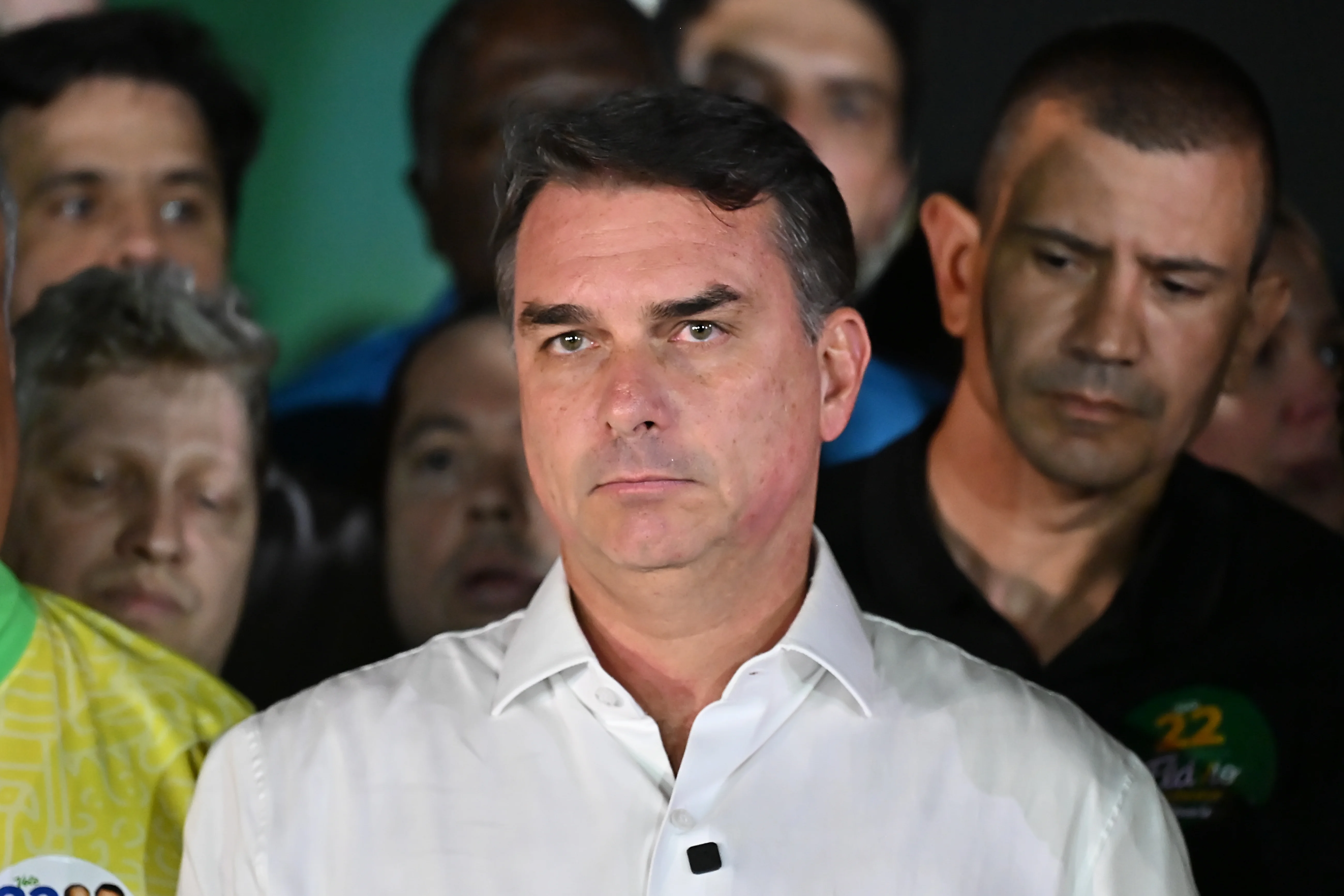
The political shockwaves coming out of Brasília aren't slowing down. Following a bruising electoral defeat to President Luiz Inácio Lula da Silva, defeated candidate Flávio Bolsonaro's physical location has turned into a high-stakes guessing game. While Brazilian federal authorities dig into his movements and allies scramble to spin the narrative, the United States government made a notable announcement. Washington will issue visas to Flávio Bolsonaro and his family.
It is a diplomatic twist that immediately elevates tensions. Why would the U.S. fast-track visas for a defeated foreign candidate while local federal police and courts circle? The timing speaks volumes about shifting international alliances, polarization, and the playbook of political exits in modern South America.
The Disappearing Act and the Judicial Siege
Within hours of the election results solidifying Lula's win with just over 51% of the valid vote, things got complicated. Brazilian media began reporting that Bolsonaro had slipped out of the country, heading north toward the United States. Reporters staking out his residence in Brasília found empty hallways and silent guards. His own campaign manager and legal counsel initially claimed ignorance regarding his precise whereabouts, fueling intense speculation.
At the same time, judicial pressure was mounting back home. Reports surfaced detailing Supreme Court scrutiny and investigations into foreign financing and online manipulation. Allies of Bolsonaro's Liberal Party rushed to defend the move, framing it as an escape from a biased judicial system. Lawmaker Mauricio Marcon openly criticized the rapid legal measures taken against him, claiming the political opposition faced unfair institutional targeting.
President Lula didn't hold back his criticism either. Celebrating his 81st birthday in Brasília, Lula slammed the departure directly. He noted that people with nothing to hide don't quietly vanish. Lula also took aim at the family's well-documented alignment with Washington, famously remarking that Brazil might be their second home, but America is their first.
Why Washington's Visa Decision Matters
The U.S. decision to issue visas to Flávio Bolsonaro and his family isn't just a routine consular matter. It intersects directly with broader geopolitical friction. Donald Trump, speaking at a campaign rally in Texas, openly questioned the integrity of the Brazilian vote, casting doubt on the electoral outcome without presenting concrete proof.
That vocal skepticism from U.S. political figures creates an interesting safety net for right-wing figures facing domestic legal pressure in Latin America. By offering a clear path to American entry, Washington is signaling a willingness to maintain open doors for political allies who find themselves at odds with incumbent leftist administrations. It mirrors previous high-profile exits and creates a safe haven dynamic that complicates extradition or local accountability efforts.
What Happens Next in Brasília and Washington
The immediate fallout leaves Brazilian investigators in a tough spot. If Bolsonaro is indeed on U.S. soil or en route, executing any domestic arrest warrants or gathering direct testimony becomes an international diplomatic hurdle.
Expect the rhetoric to escalate. Lula’s administration will likely frame the U.S. visa policy as foreign interference or sheltering of a political actor dodging legal scrutiny. Meanwhile, Bolsonaro's camp will lean heavily on international support to frame local probes as political persecution. As international pressure mounts and legal battles shift across borders, this story is far from over.