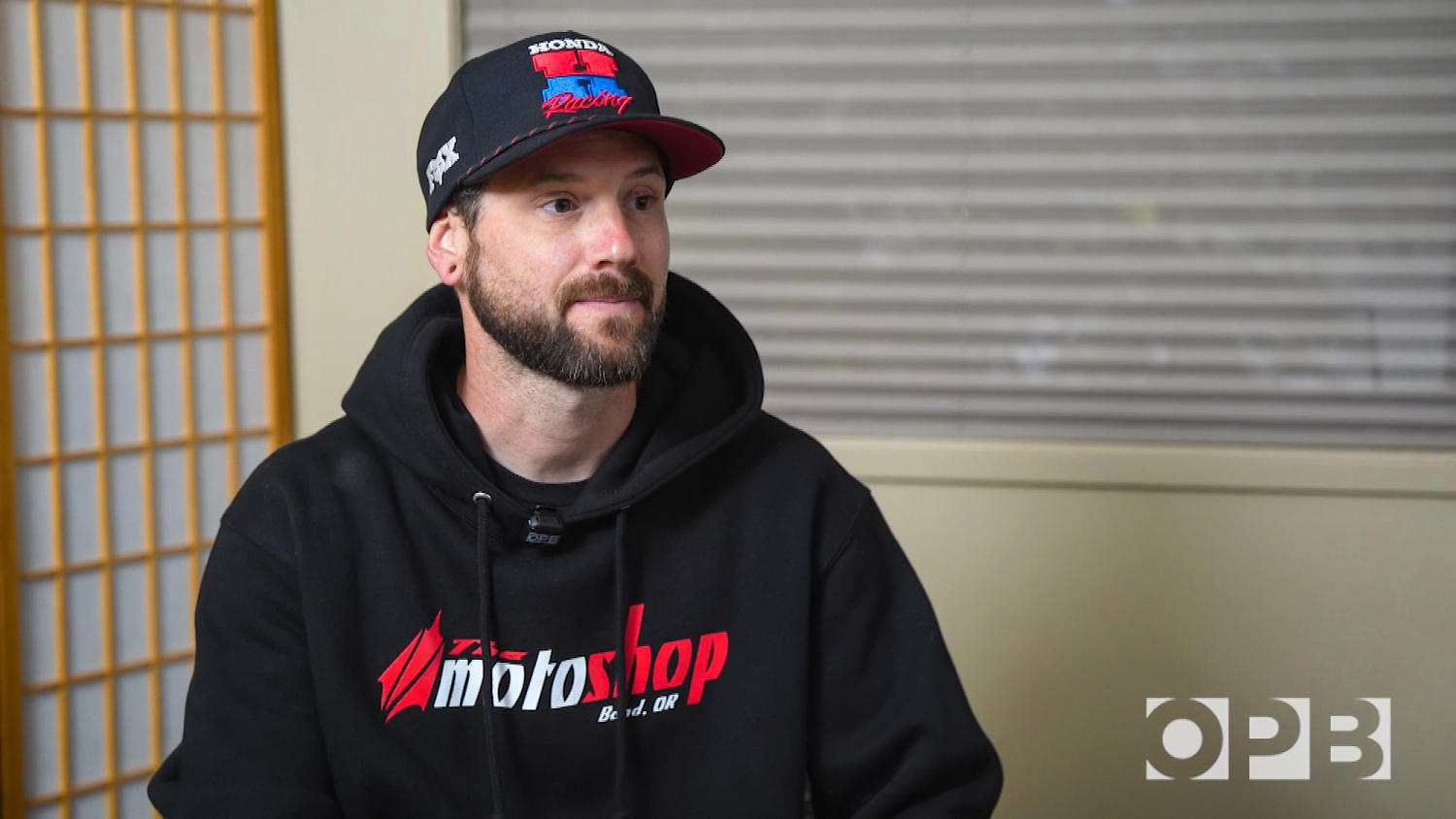
Medals and public praise don't wipe away the sound of gunfire. When 36-year-old carpenter Kaylub Giamanco happened to drive past Silver Rail Elementary School in Bend, Oregon, during his lunch break, he made a split-second choice that stopped an active shooter and saved dozens of lives. Law enforcement officers, neighbors, and strangers called him a hero. But Giamanco carries a heavy burden that headlines leave out. He didn’t save everybody.
Most news coverage frames active shooter interventions through a neat, Hollywood-style lens of triumph. A good guy stops a bad guy, the threat ends, and everyone claps. Reality is much darker. Giamanco’s experience sheds light on the devastating psychological toll of survivor guilt and trauma faced by everyday bystanders thrust into extreme violence.
Wrong Place, Right Time
Giamanco wasn't looking for a fight. He was driving home on an ordinary Thursday afternoon when he heard gunshots cracking through the air. He saw a 16-year-old gunman forcing his way past locked glass doors at the school where Giamanco's own daughters attend. Carrying a concealed weapon and acting on pure paternal instinct, Giamanco pulled over and went inside.
He confronted the shooter and stopped the carnage, preventing what could have been an even worse massacre. Police Chief Mike Krantz and investigators quickly acknowledged that civilian intervention altered the trajectory of the tragedy. Yet, the statistics tell a sobering story. Four people—three young children and a teacher—lost their lives before the shooter was stopped.
The Heavy Price of Survivor Guilt
When people call Giamanco a hero, his mind immediately goes to the children he couldn't reach in time. In interviews with local outlets like Oregon Public Broadcasting, he opened up about the relentless psychological aftermath. He closes his eyes at night and replays the chaos. Faces flash in his memory. Screams echo in his ears.
"I relive, I see faces, I hear voices, I hear screams," Giamanco shared. He even expressed an agonizing sense of personal accountability to the grieving families, noting that while people thank him for saving lives, his heart breaks for the ones he missed.
This reaction illustrates a profound psychological truth about trauma. When ordinary people are thrust into combat-zone conditions on home soil, survival instincts take over, but the brain struggles to process the lingering deficit. The human mind fixates on what was lost rather than what was preserved.
Why the Narrative Needs to Change
Society loves simple labels. We slap the word "hero" on someone and assume they walk away unscathed, feeling proud and fulfilled. But true heroism in modern America often looks like quiet torment. It looks like a local carpenter trying to figure out how to live with the ghosts of a tragedy he halted mid-stride.
Giamanco isn't hiding from the spotlight anymore to protect his ego; he's stepping into it with reluctance because he wants to push for real change. He wants better security for schools and real conversations about preventing violence before it starts.
We need to talk honestly about the cost of intervention. When a bystander steps up to stop a shooter, they take on a psychological weight that lasts a lifetime. Praising their bravery is necessary, but understanding their trauma is vital.
The next time an emergency happens, remember that the people who run toward the gunfire don't get to walk away unchanged. Their heroism is real, but so is the haunting reality that they had to fight through hell in the first place.