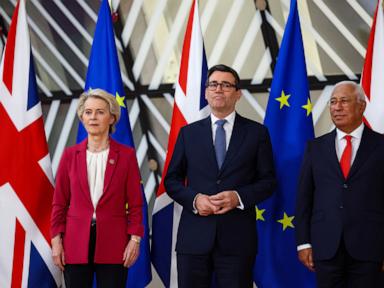
"The Brexit we were given has not worked. We have lost more than we gained." Those words from Prime Minister Andy Burnham didn't just echo through Westminster this week. They landed right in the middle of a high-stakes Brussels reset, where Britain and the European Union gathered for only their second formal summit since Britain exited the bloc.
For a decade, British politicians treated the 2016 referendum like a live wire. Touch it carefully, stick to rehearsed talking points, and never—under any circumstances—say out loud that rejoining might sit on the table. Burnham just broke that taboo. Even while stressing that reversing Brexit isn't imminent and depends on voters plus a cautious 27-nation bloc, naming the option shifts the entire political gravity.
If you've watched trade policy closely over the past ten years, you know how easy it is to confuse polite diplomatic communiqués with real economic relief. A handshake in Brussels doesn't automatically erase customs paperwork or border friction. Still, what happened at this summit matters far more than standard photo-ops. It exposes the real trade-offs Britain faces now that the honeymoon of post-Brexit slogans is over.
Why the EU UK Summit Actually Matters Right Now
A summit isn't a magic wand. Let's be honest about that. When European Commission President Ursula von der Leyen, European Council President Antonio Costa, and Burnham sit down with ministers and commissioners, they're wrestling with ten years of bruised trust, shifting UK leadership, and stubborn border bottlenecks.
What makes this meeting stand out is timing and tone. Ten years after the 2016 vote, Britain isn't trying to invent a brand-new global trading model from scratch anymore. Instead, Downing Street is pushing practical patches—agrifood and drink rules, emissions trading links, and a youth mobility scheme—while arguing those moves could lift UK GDP by around 0.4% to 0.5%.
That sounds modest on paper. A fraction of a percentage point doesn't sound like a sweeping revolution. Yet in an economy weighed down by sluggish growth and high debt servicing costs, a steady bump worth billions matters to exporters, farmers, and households. Look at coverage from The Guardian and The Independent: security, defense cooperation, and irregular migration talks are pulling both sides back toward pragmatism, even as sticky details like university tuition fees threaten to slow things down.
What's Actually on the Table in Brussels
Forget grand speeches for a second. Look at the concrete buckets negotiators have been fighting over:
- Food, farming, and drink. Easier agrifood trade means fewer checks at the border, though Brussels isn't handing Britain a seat to write EU standards from the inside.
- Emissions trading. Linking carbon markets helps businesses avoid paying twice on carbon costs across borders, keeping industrial supply chains tighter.
- Youth mobility. Letting younger people live, work, study, or travel across borders for a set period—reported with a capped structure around 100,000 and multi-year limits—aims to restore cultural and labor ties without reviving full freedom of movement.
- Security and migration. Shared defense priorities against wider European instability and talks on irregular migration—including potential third-country return discussions—give both capitals reasons to cooperate beyond trade.
Here's the catch that trips up optimistic commentators. Even when negotiators shake hands on a framework, implementation takes time, legal ratification, and follow-up talks. Reports have already flagged friction around EU student tuition rates at UK universities and how much say—if any—Britain gets when food or environmental rules evolve.
The Hard Truth About Rejoining and Rule-Taking
Talk of rejoining gets headlines fast. It's dramatic. It triggers old campaigners on both sides. Yet anyone who has tracked EU accession and single-market rules knows rejoining isn't a quick weekend trip.
First, Britain would need clear domestic consent—likely a fresh mandate or referendum—and no one wants another years-long national argument without a clear plan. Second, every single EU member state must agree to let the UK back in. After watching seven prime ministers over a decade and enduring years of exhausting Brexit negotiations, Brussels isn't rushing to open the door on a whim.
Listen to voices from inside European politics, like former EU Brexit negotiator Michel Barnier and MEP Sandro Gozi, chair of the EU-UK parliamentary delegation. Their message has been consistent for years: single-market access comes with obligations, and non-members don't get to cherry-pick rules or vote on standards they didn't help draft. If you step outside the room, you don't sit at the head of the table.
That creates a real tension for Burnham. He has pointed to his "Makerfield test"—asking whether agreements deliver tangible improvements in everyday lives—while insisting Labour's manifesto red lines still stand. Over time, though, closer alignment on food or market rules forces a blunt question. Do you want lower trade friction enough to accept alignment without a vote, or do you draw a hard line and live with higher costs?
Common Mistakes People Make Reading Brexit Resets
When big summits happen, people tend to fall into two traps.
The first mistake is assuming a reset means "Brexit is cancelled." It doesn't. Customs checks, regulatory divergence, and border friction built over a decade don't vanish overnight just because the tone in Brussels softens.
The second mistake is treating any compromise as betrayal. In real-world trade policy, perfection doesn't exist. Waiting around for a mythical deal with zero costs and zero rules is how businesses end up stuck with paperwork year after year. Practical trade-offs are normal in international diplomacy—even when they're messy.
What This Means for Businesses, Students, and Voters
If you run a business that moves goods or services between Britain and the EU, don't tear up your compliance checklist today. Do track the joint statement details, legal ratification timelines, and sector-specific rules on agrifood and emissions trading. Check whether your supply chain relies on border timing that could shift once agreements take legal effect.
If you're a student, young worker, or parent eyeing opportunities in Europe—or hoping young Europeans can easily study or work in the UK—watch the fine print on youth mobility caps, duration limits, and tuition fee discussions. Rules around age brackets, visas, and fees decide whether a headline policy actually fits your plans.
If you're following politics, pay attention to what comes after the summit press conference. Watch how Downing Street handles legislative steps at home, how Brussels responds on long-term relationship talks, and whether both sides can turn warm rhetoric into enforceable rules without getting bogged down in old grievances.
A decade after 2016, the argument isn't frozen in amber anymore. Burnham put rejoining back into the conversation while chasing near-term economic fixes, and Brussels made clear that warm words still run through hard rules. What happens next depends on whether both sides can turn cautious diplomacy into real results.