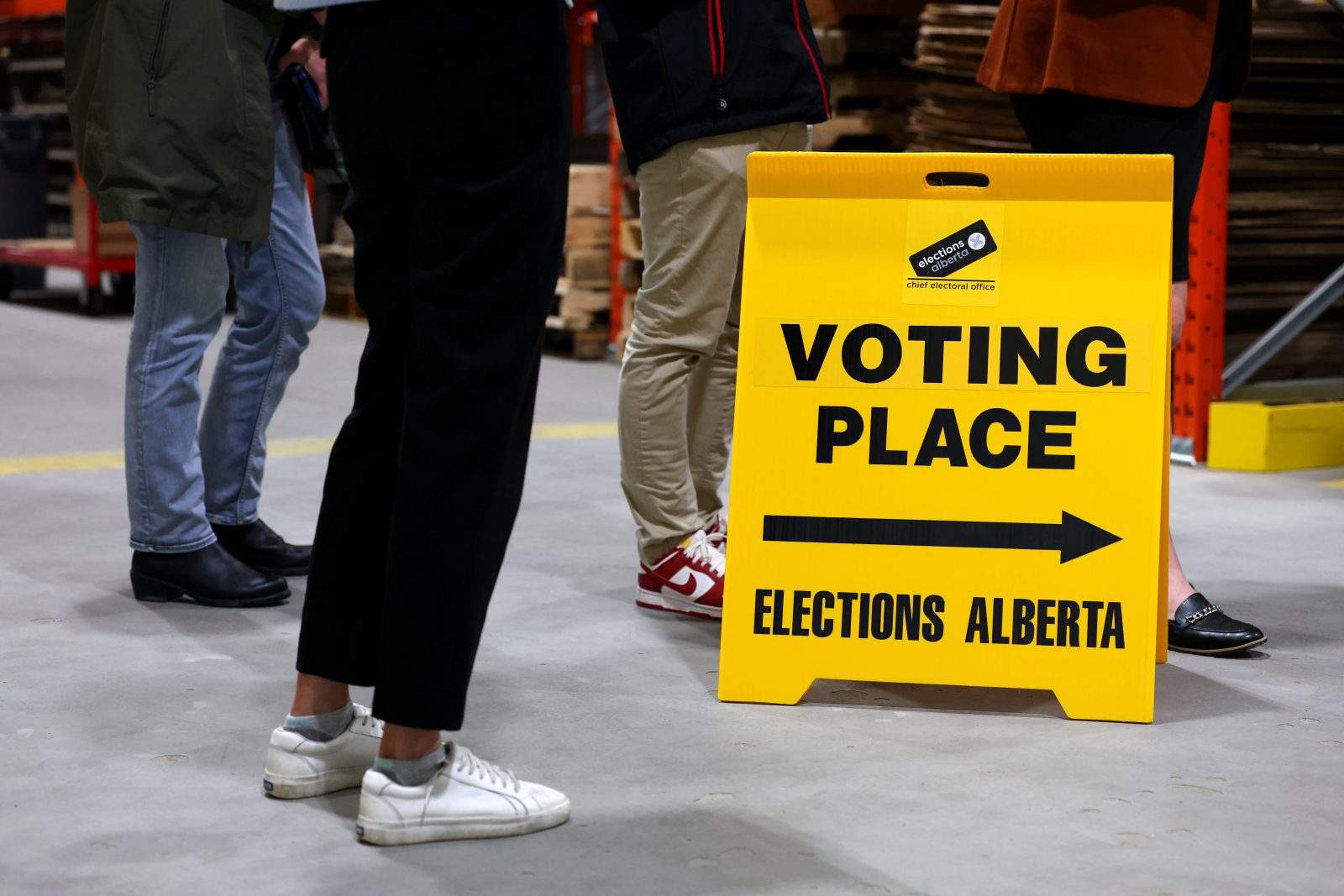
More than 174,000 Albertans cast their ballots on the very first day of advance polls. That number isn't just a statistic. It’s a loud, unmistakable signal from a province at a political crossroads.
When Elections Alberta dropped the numbers showing 174,532 early votes logged on Monday alone, it blew past historical averages. For comparison, daily turnouts during the 2023 provincial general election hovered around 151,000. Add in roughly 418,000 approved mail-in ballots, and you are looking at an electorate that refuses to sit this one out.
People aren't just curious. They're activated.
The High Stakes Behind the Ballot Box
Let's be clear about what is actually on the table. Albertans aren't walking into voting booths right now to instantly sever ties with Ottawa. Instead, the current referendum features 10 government-initiated questions touching on immigration, constitutional issues, and crucially, whether the province should start the legal process to hold a second, binding vote on independence.
That nuance gets lost in the noise. Pro-independence factions want to kickstart the machinery of separation. Meanwhile, pro-Canada groups like the Forever Canadian campaign, led by former cabinet minister Thomas Lukaszuk, have mobilized thousands of volunteers.
Turnout decides elections. Complacency kills campaigns. We saw it with Brexit. When one side assumes victory is guaranteed, they stay home while angry, motivated fringes carry the day.
Why Voters Are Showing Up in Droves
If you talk to political analysts on the ground, they'll tell you this high-stakes mobilization is fueled by compounding anxieties. It’s not just about provincial pride or constitutional grievances. It’s about timing.
Look at the broader geopolitical and economic climate. Trade tensions, daily headlines about tariffs, economic volatility, and constant friction between provincial and federal leaders create a heavy layer of risk. Many voters feel that sitting out is no longer an option because the stakes feel entirely too high.
Albertans are frustrated. Some are mad they have to prove their loyalty to Canada at all through a contested ballot. Others are furious at Ottawa over federal policies. Both sides of the ideological spectrum are treating this vote as an existential referendum on their future.
What Happens Next
The advance polling window runs for five days ahead of the final vote on October 19. If early momentum holds, final turnout figures could shatter records.
If you live in the province, ignore the noise and look at the logistics. Polling stations are packed, wait times are fluctuating, and mail-in processing is heavy. If you want your voice counted on these 10 distinct questions, you have to plan your window carefully. Check your local advance voting stations, verify your registration details immediately, and make sure your ballot gets cast before the window closes.