Training for combat shouldn't look like a war zone before you ever deploy. Yet, that is precisely what happened on an open range in Alberta. When a routine field exercise turns lethal, the entire institution faces an uncomfortable reckoning.
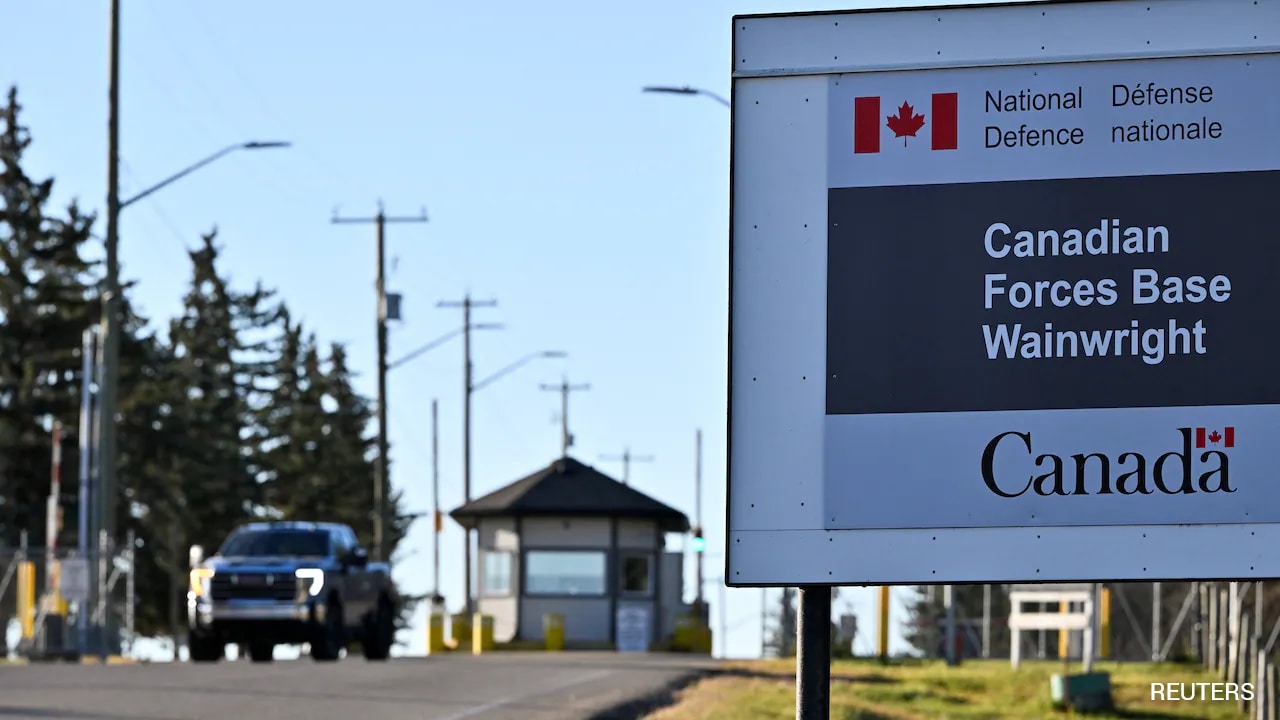
Pvt. William Douglas Dal Bianco passed away in an Ontario hospital. He became the fifth casualty stemming from a devastating grass fire at Canadian Forces Base Wainwright. The incident occurred during an October 17 attack training exercise involving roughly 84 soldiers from the 3rd Battalion, Princess Patricia's Canadian Light Infantry. High winds shifted unpredictably, turning a controlled environment into an uncontrollable wall of flame that trapped troops in its path.
Twenty-four service members remain hospitalized weeks after the disaster. Prime Minister Mark Carney called it one of the worst peacetime tragedies for the Canadian military on home soil. But naming the scale of a disaster doesn't answer how it happened, nor does it fix the systemic gaps that put infantrymen in the direct path of an oncoming blaze.
The Anatomy of a Base Training Disaster
Military exercises rely on rigid safety protocols, communication lines, and rapid-response contingencies. When things go sideways on a live-fire or tactical movement range, seconds matter. At CFB Wainwright, southeast of Edmonton, the sheer speed of the wind-driven grass fire overwhelmed standard safety buffers.
We lost young lives that day and in the weeks following. The fallen include:
- Pvt. Shaun Farrell, 23
- Pvt. Aidan Goulding, 23
- Pvt. Hayden Lykkemark, 19
- Sgt. Morgan Wong, 26
- Pvt. William Douglas Dal Bianco
When you look at these ages, the reality hits hard. Most of them were barely out of their teens. They signed up to serve, expecting rigorous physical demands and tactical pressure, not an unyielding wall of prairie fire during a routine drill.
Accountability and the Limits of Inquiry
Whenever an active-duty disaster occurs, official machinery kicks into gear. Military police launched an immediate investigation. A separate military board of inquiry was also struck to examine every operational decision made on October 17.
Reports and boards can recommend protocol changes, better weather monitoring tools, or updated fire-break standards. Yet, inquiries take months. Families sitting by hospital beds or grieving at home need more than a delayed report. They need transparency on weather calls, command decisions, and the exact chain of communication that left eighty-four soldiers exposed to shifting winds.
What Institutional Safety Must Change Now
Peacetime military fatalities carry a unique grief because they happen under the direct watch of the state. Soldiers place their lives in the hands of commanding officers, relying on leadership to weigh environmental risks against training objectives. When high winds are present in dry prairie terrain, margins for error shrink to zero.
Command structures must enforce stricter environmental thresholds. If fire risks are high, live maneuvers need immediate pausing, regardless of training schedules. Soldiers shouldn't have to outrun elements they can't shoot back at.
The focus now rests entirely on the twenty-four soldiers still fighting through burn injuries and smoke inhalation in hospital wards. Their recovery road is long, grueling, and painfully quiet once the initial news cycle fades. Ensuring they receive top-tier medical care and permanent support is the immediate test for Canada's defense establishment.
Look closely at how the military adapts its training safety codes in the coming months. Real accountability isn't found in press conferences. It shows up in the field rules that protect the next generation of recruits from a preventable tragedy.