Water moves fast when infrastructure breaks down. In mid-October 2026, torrential rains hit Istanbul and its surrounding provinces with a vengeance that caught millions off guard. The latest figures confirm eight deaths and at least one person still missing. If you think this was just another seasonal downpour, look closer at the numbers.
According to AKOM, the disaster coordination center for the metropolitan municipality, the district of Beykoz recorded 277.1 millimetres of rain in a single day. That hasn't happened since 1942. We are talking about the heaviest rainfall to batter this part of western Turkey in nearly eighty years.
What Actually Happened on the Ground
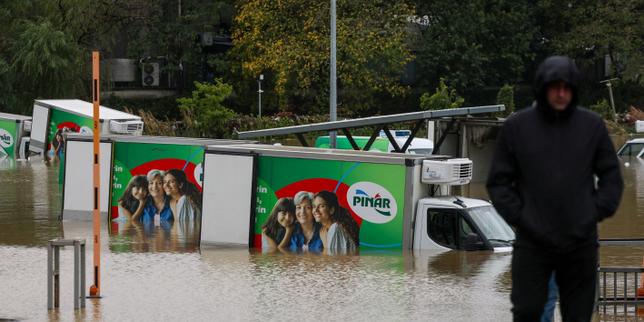
When skies open up like that, cities don't just get wet; they choke. Muddy torrents surged through streets, dragging vehicles along like toys and flooding homes and businesses before residents could even grab their valuables. Major transport arteries turned into rivers. Flights faced severe disruptions, suspended or rerouted as visibility dropped and runways vanished under sheets of water.
Schools across affected areas shut their doors, keeping children home while emergency crews worked around the clock. But cleanup takes time when the sheer volume of water overwhelms every drainage system built into the modern metropolis.
The Cost Beyond the Statistics
Numbers on a screen never tell the full story. Beyond the eight fatalities reported by authorities, countless families face ruined properties and commercial spaces destroyed overnight. In districts like Fatih, the dangers extended beyond rushing water, highlighting how vulnerable urban electrical grids become during extreme weather events.
This disaster brings an uncomfortable truth back to the surface. Rapid urbanization combined with increasingly erratic climate patterns creates a ticking clock for historic cities. When concrete covers natural absorption paths, water has nowhere to go but up.
Emergency teams continue to search for the remaining missing person while authorities assess structural damage across the region. If you're living in or traveling to major urban centers in the region, staying updated on local alerts isn't optional anymore. Weather extremes are rewriting the rules of city living faster than municipalities can adapt.