Stop pretending that massive police sweeps instantly solve transnational crime. When Interpol announced over 260 arrests tied to international migrant smuggling rings following an operation dubbed Communis Maris, headlines praised the immediate disruption. But if you look past the initial press release, you realize these operations are just temporary speed bumps for multi-billion dollar criminal enterprises.
Let's break down what actually happened during this coordinated four-day blitz across 16 countries, why these trafficking rings bounce back so fast, and what the real enforcement data tells us about Mediterranean migration routes.
Inside Operation Communis Maris
Run across sixteen nations spanning Europe, North Africa, and the Middle East, the sweep targeted the logistical arteries feeding illegal maritime crossings. Law enforcement officers checked over 378,000 individuals at key transit hubs, border crossings, and coastal zones.
Out of the 262 total suspects picked up by authorities, the breakdown reveals the precise mechanics of these syndicates:
- 221 suspects face direct charges related to migrant smuggling.
- 16 individuals are implicated in human trafficking.
- 25 others were caught for auxiliary crimes, including document forgery and the production of fraudulent identification papers.
Participating agencies from countries like Italy, Greece, Spain, Tunisia, Libya, Algeria, and Türkiye shared real-time intelligence through Interpol secure channels. They managed to identify 41 distinct organized crime groups and launched 434 new investigations.
Why Smuggling Rings Adapt Faster Than Police
Criminal syndicates running boats across the Mediterranean aren't loose associations of local thugs. They are fluid, highly adaptable corporate entities. When law enforcement dismantles a cell in one coastal town, the network reroutes its supply chain within days.
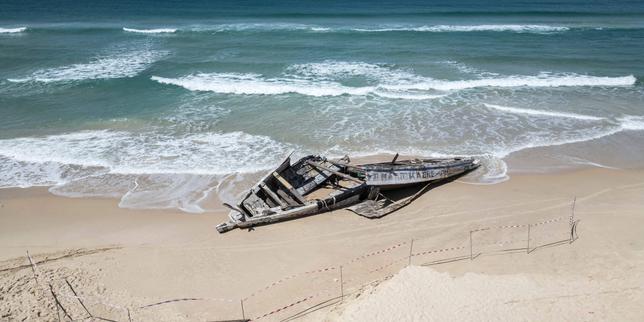
The economics drive this resilience. Smuggling a human across borders yields staggering profits for very low operational overhead. A confiscated wooden boat or a seized stash of fuel engines represents a minor write-off for these syndicates. They simply procure new equipment, bribe new officials, and shift launch points to less-monitored stretches of coastline.
Interpol's operation highlights a critical vulnerability in current border security strategies. Most police actions happen on land or at established ports of entry. Meanwhile, the actual logistics—procuring inflatable dinghies, stockpiling fuel, and coordinating satellite phones—happen across vast, porous regions where local authorities lack adequate patrol vessels and radar infrastructure.
The Human Cost Behind the Statistics
Numbers on a spreadsheet don't capture the reality on the ground. During these raids, officers rescued 109 potential victims of human trafficking who were being held against their will or forced into labor to pay off exorbitant transit debts.
Migrant smuggling frequently morphs into outright human trafficking once individuals are trapped en route. Victims find themselves subjected to extortion, physical abuse, and forced exploitation because they have no legal recourse. When law enforcement hits a safehouse, they often find individuals who started as voluntary migrants and ended up as modern-day slaves.
What Real Enforcement Requires Moving Forward
If governments want to make a lasting dent in these criminal networks, arresting low-level boat captains and document forgers won't cut it. The core of these syndicates operates financial pipelines that span multiple continents.
Tracking the illicit money flows is the only strategy that hits these organizations where it hurts. Smugglers rely on informal value transfer systems, cryptocurrency, and underground banking networks to move millions in profits. Until financial intelligence units target the kingpins laundering these funds through legitimate businesses, the boats will keep launching.
Cross-border police cooperation matters, but it needs to be continuous rather than episodic. Four-day blitzes grab headlines, but criminal syndicates just wait them out. Sustainable pressure requires permanent joint task forces stationed directly in high-risk transit corridors.