When Cuban authorities announced that suspects arriving from the United States on a high-speed boat had confessed to terrorism charges, international media scrambled to catch up. But the headlines miss the deeper geopolitical friction driving these dramatic confessions. We are looking at a volatile intersection of Florida-based militant planning, maritime security enforcement, and decades of tense bilateral mistrust between Washington and Havana.
Let's break down what actually happened, why these terrorism charges carry immense weight, and what the ongoing legal fallout means moving forward.
The Anatomy of a Maritime Incursion
Back in February, Cuban state security intercepted a Florida-registered speedboat off the country's northern coast. According to official reports from Havana's Interior Ministry, the vessel carried ten heavily armed individuals attempting an unauthorized landing. A firefight erupted when the occupants allegedly opened fire on Cuban border troops, resulting in casualties and the immediate capture of surviving combatants.
Local domestic facilitators inside Cuba—such as Duniel Hernandez Santos, who was arrested shortly after the incident—were accused of setting up the landing zones. Months into the sprawling investigation, Cuban state media released statements confirming that the captured suspects have fully confessed to their involvement and cooperated with interrogators regarding their operational goals.
Why Terrorism Charges Change the Game
Filing formal terrorism charges is never just a routine legal maneuver in Cuba. It signals a hardline prosecutorial stance designed to send an unmistakable message to exile groups operating out of the United States.
For decades, the Florida Straits have served as a logistical corridor for anti-government plots, smuggling runs, and covert infiltration attempts. By classifying this specific armed incursion as an act of terrorism rather than a minor immigration violation or illegal smuggling operation, Havana is framing the suspects as direct threats to national sovereignty.
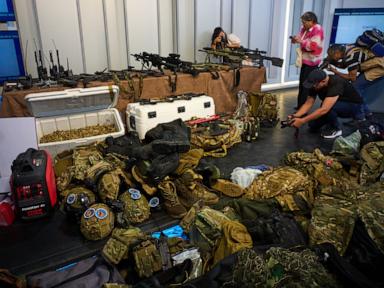
Critics abroad often question the transparency of legal proceedings inside Cuba, particularly given the heavy reliance on televised confessions from detained suspects. Yet, Cuban prosecutors maintain that physical evidence—including seized weaponry, communication gear, and ballistic findings from the fatal shootout—corroborates the confessions completely.
The Broader Geopolitical Fallout
This case places Washington in a difficult diplomatic corner. The United States and Cuba share a fragile, deeply suspicious relationship regarding law enforcement cooperation, especially when maritime security and migration enforcement intersect.
When armed militants launch attacks or infiltration missions from U.S. soil, it forces American federal agencies to answer uncomfortable questions about how domestic extremist cells operate unchecked along the Florida coastline. While U.S. federal authorities routinely monitor illicit maritime trafficking, tracking small, fast boats heading south across the Florida Straits remains an immense operational challenge.
Expect hardline rhetoric on both sides to escalate as these trials proceed. Havana will use the confessions to validate its long-standing warnings about foreign-backed subversion, while international observers will scrutinize every detail of the courtroom proceedings for due process.
The legal battle over the captured speedboat crew is far from finished, and its ripple effects will shape U.S.-Cuba security dynamics for a long time.